
Healing Rooted in Culture, Relationship, and Indigenous Wisdom
Supporting individuals, families, clinicians, and communities in healing, self‑determination, and growth.
Midewin Counseling and Consulting LLC offers culturally grounded, decolonized care rooted in Indigenous ways of knowing—honoring healing as relational, holistic, and shaped by culture, history, and lived experience.
Mission
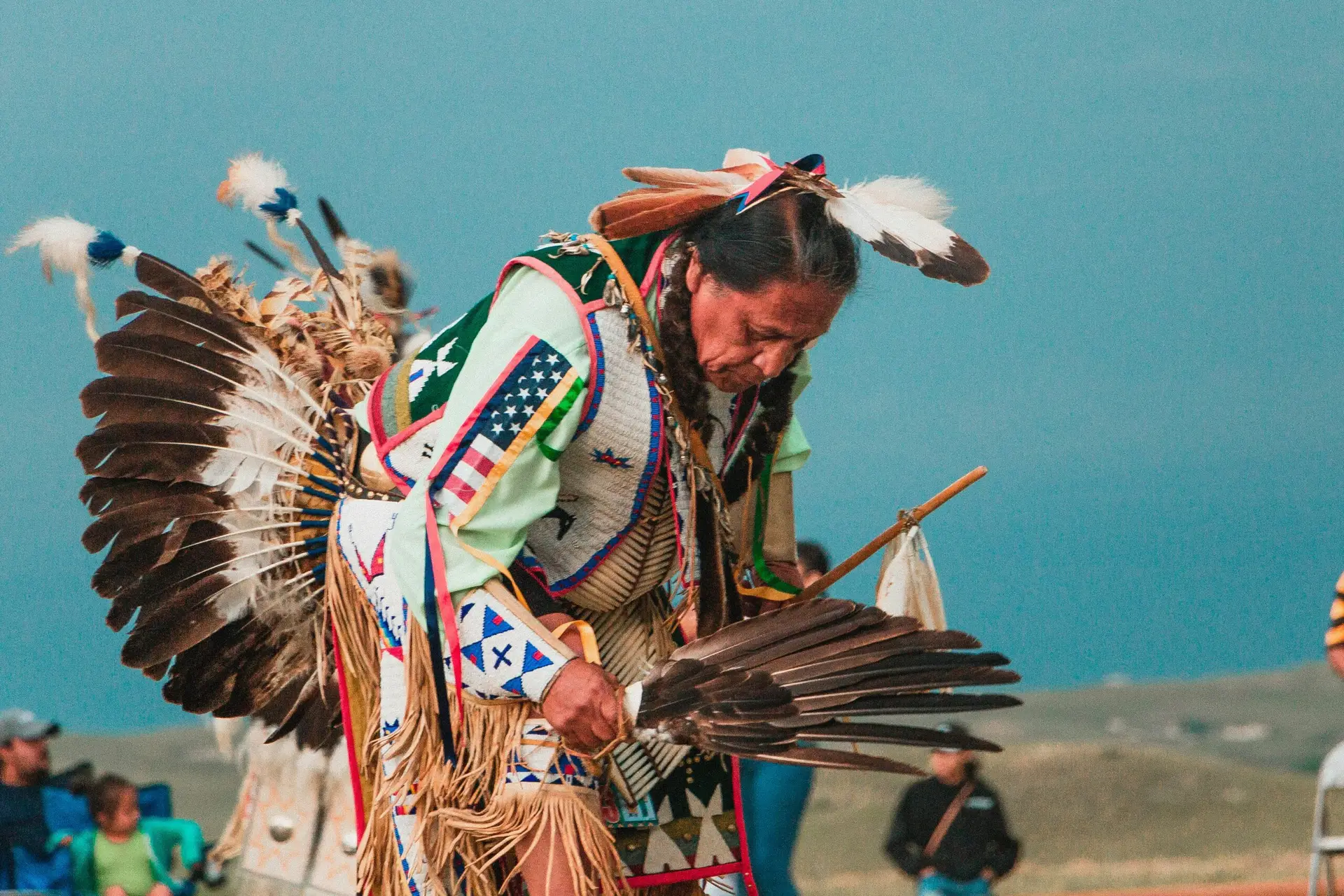
The mission of Midewin Counseling and Consulting LLC is to provide culturally grounded, decolonized, and ethically responsive care that supports healing, self‑determination, and community well‑being. Rooted in Indigenous ways of knowing, the practice honors healing as relational, holistic, and shaped by cultural identity, lived experience, history, and environment. Midewin Counseling and Consulting LLC is committed to creating a space of care, learning, and accountability that supports individuals, families, clinicians, and communities in their healing and growth.
Values
Relational Healing
Healing is understood as a relational process rooted in connection—to self, family, community, culture, ancestry, and place. Care centers relationship and accountability rather than individual pathology.
Cultural Integrity and Identity
Cultural identity, Indigenous knowledge, and lived experience are honored as sources of resilience and healing. The practice affirms cultural continuity and supports reconnection as part of wellness.
Decolonized and Justice‑Oriented Practice
The practice actively challenges colonial, deficit‑based, and punitive frameworks within behavioral health systems. Work is grounded in equity, dignity, and accountability, with attention to historical and intergenerational trauma and systemic inequities.
Shared Power and Collaboration
Clients, supervisees, and community partners are respected as experts in their own lives. Care, supervision, and consultation are collaborative, transparent, and grounded in mutual respect.
Holistic and Whole‑Person Care
Well‑being is approached holistically, recognizing emotional, relational, cultural, spiritual, and environmental dimensions of health. Healing extends beyond symptom reduction to balance, meaning, and connection.
Person‑in‑Environment Perspective
Mental health is understood within broader social, environmental, and systemic contexts. The practice acknowledges the impact of housing instability, justice involvement, racism, poverty, and access to resources on individual and community wellness.
Harm Reduction and Compassionate Accountability
Substance use and gambling‑related concerns are approached through harm reduction, compassion, and responsibility rather than punishment. Safety, dignity, and informed choice are prioritized.
Ethical Practice and Continued Learning
Decolonized practice is an ongoing commitment. The practice remains accountable to community, engages in continual reflection and learning, and adapts in response to evolving knowledge, feedback, and responsibility.
Professional Bio
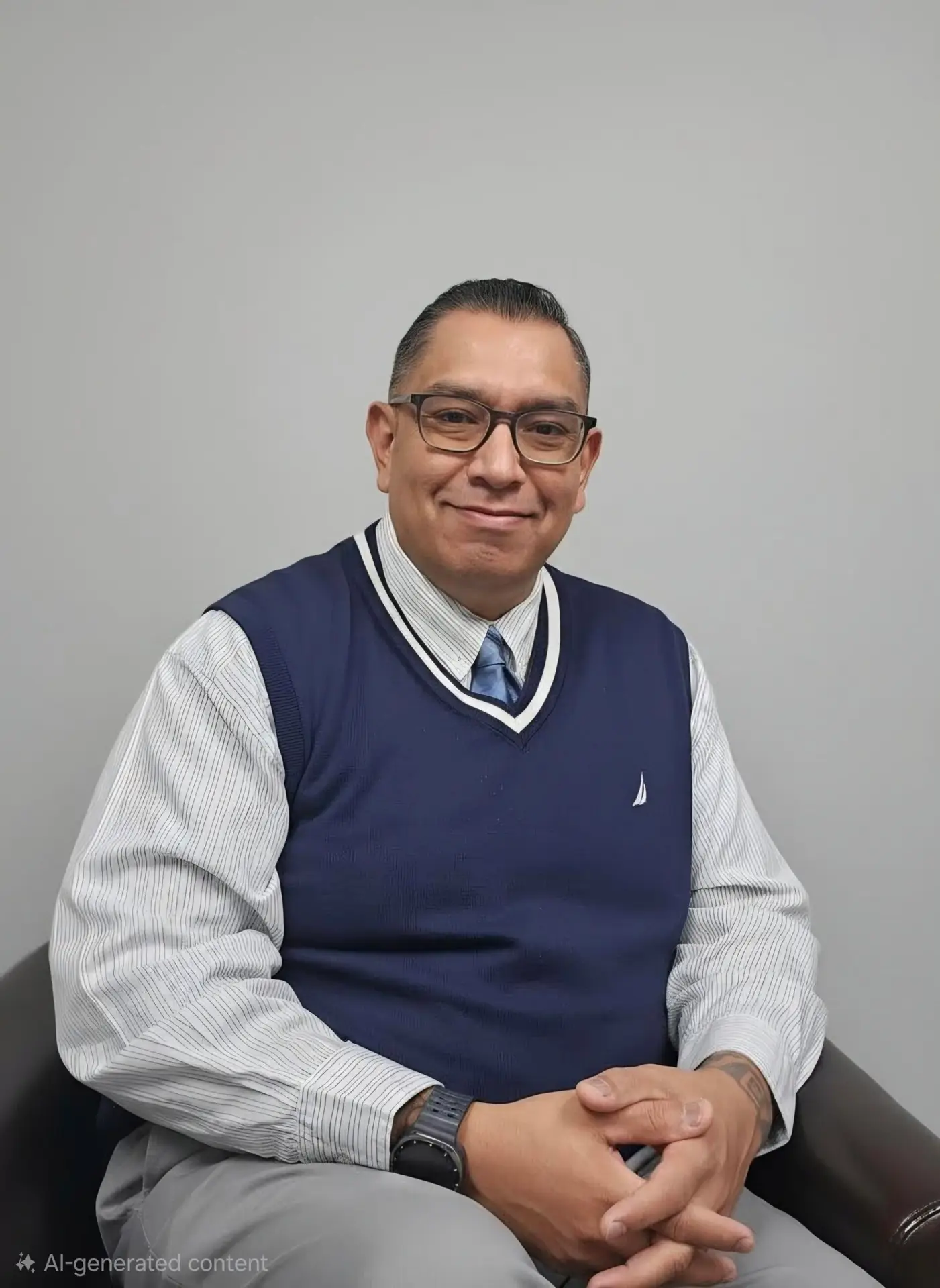
My name is Eli Kinsley, LCSW. I am a licensed clinical social worker and a member of the Tohono O’odham Nation, with ancestry from the Hopi Tribe and the Turtle Mountain Band of Chippewa/Cree. My work is grounded in both clinical practice and a culturally responsive framework that honors Indigenous knowledge, resilience, and community‑based healing.
I began my professional journey at Chemeketa Community College, where I earned a degree in Addiction Studies. I went on to complete both my Bachelor of Social Work (BSW) and Master of Social Work (MSW) at Portland State University. This educational path reflects my long‑standing commitment to addressing substance use and behavioral health challenges through evidence‑based, ethical, and compassionate care.
I specialize in the treatment of substance use and gambling addiction disorders. My clinical approach is informed by an understanding of historical and intergenerational trauma, social determinants of health, and the importance of culturally grounded treatment practices. I am particularly committed to improving access to quality behavioral health services for Indigenous and underserved communities, and I value integrating clinical expertise with systems‑level and community‑focused work.